global governance Blog
Welcome to CGS’s vibrant online platform where contributing authors explore global governance issues. We aim to foster a global community where perspectives are valued, conversations are ignited, and understanding flourishes.

Einstein’s Postwar Campaign to Save the World from Nuclear Destruction
Although the popular new Netflix film, Einstein and the Bomb, purports to tell the story of the great physicist’s relationship to nuclear weapons, it ignores his vital role in rallying the world against nuclear catastrophe.

It’s Getting Late
For some time, it’s been apparent that the world’s nations are not meeting the growing challenges to human survival.

Reviving the Concept of Trusteeship as a Stepping-Stone to Peace in the Middle East
We should urge the UN General Assembly to create an ad hoc Trusteeship Council that would act as a time-limited cocoon (say of 5 years) around Gaza, allowing it to heal at all levels until it is able to take up its role as a mature member of the international community of nations.
Overcoming the Obstacles to UN Maintenance of International Peace and Security
Although, according to the UN Charter, the United Nations was established to “maintain international peace and security,” it has often fallen short of this goal.
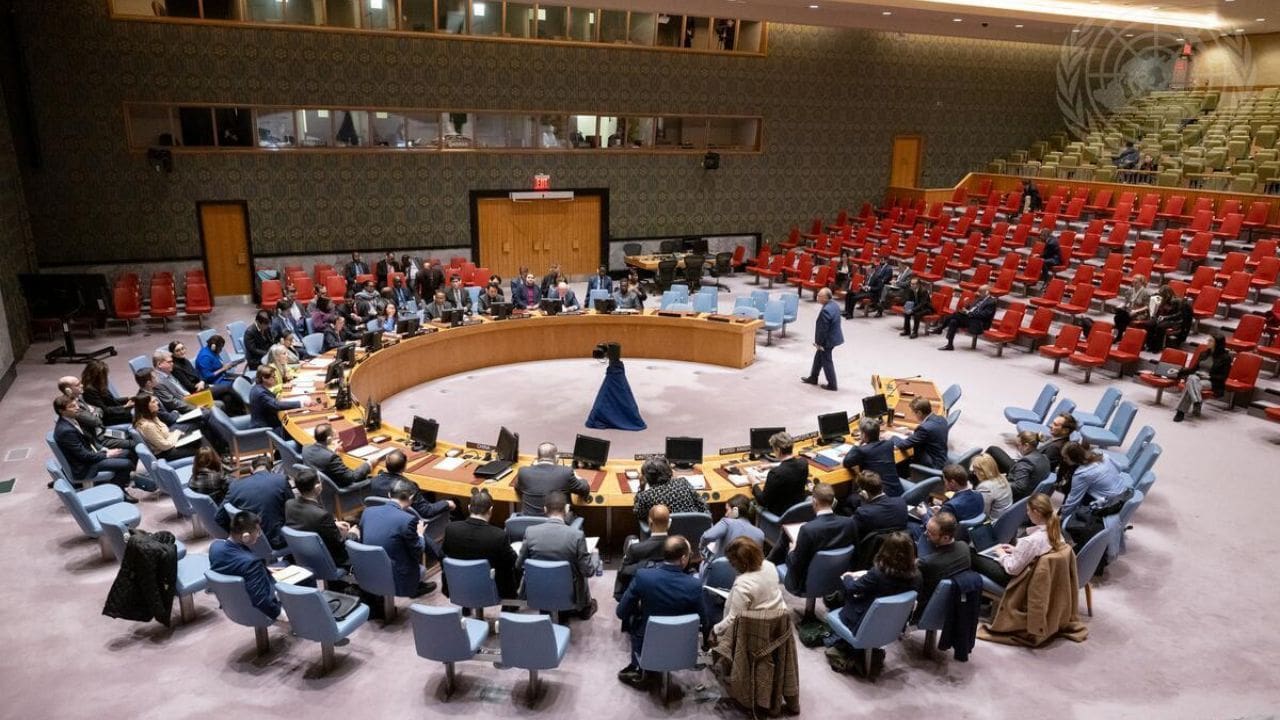
Russia’s Ukraine Invasion: How Do We Find A Peaceful Solution To End War?
A more democratic United Nations, with greater funding and enforcement power, is necessary if we hope to survive this dangerous time. We can move from war to law by reforming and strengthening the United Nations, but it will take some creative thinking and action by all of us.
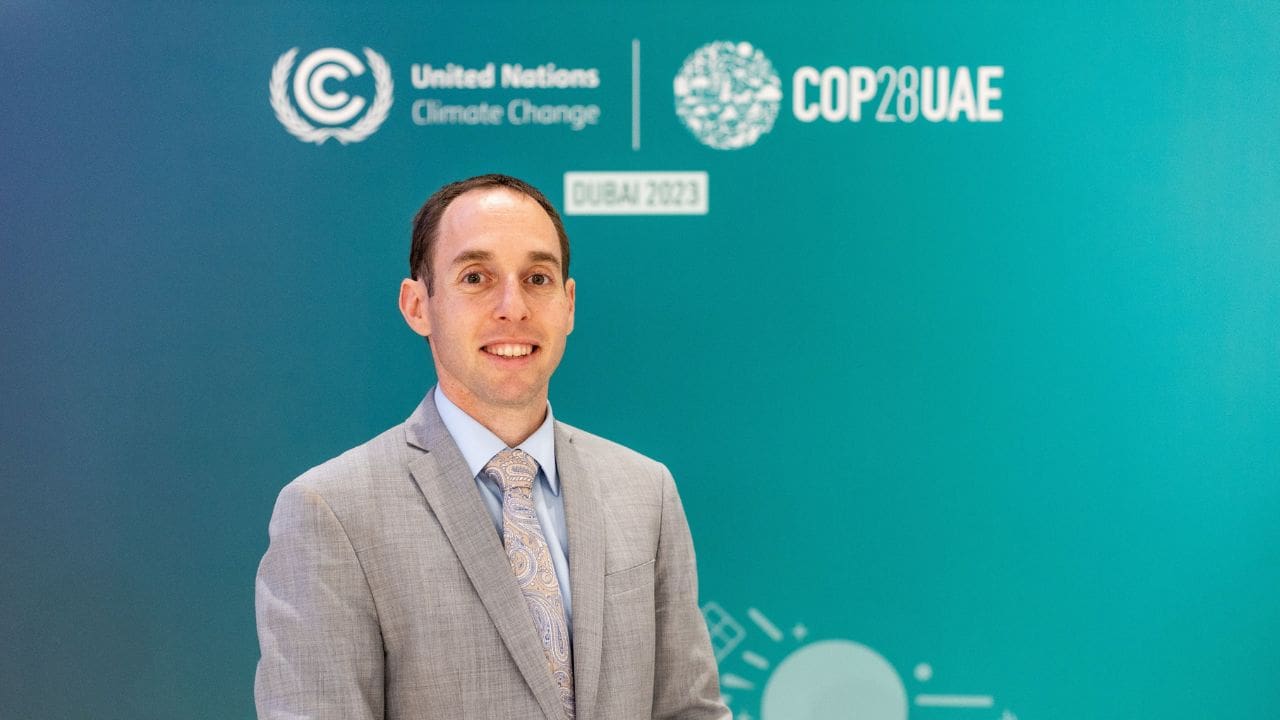
Climate Change, the SDGs, and My Father
My father was always the smartest person in the room. Despite never studying medicine, he once assisted a pre-med friend in preparing for an exam entirely by recalling intricate anatomical structures from a biology course he had taken thirty years prior.
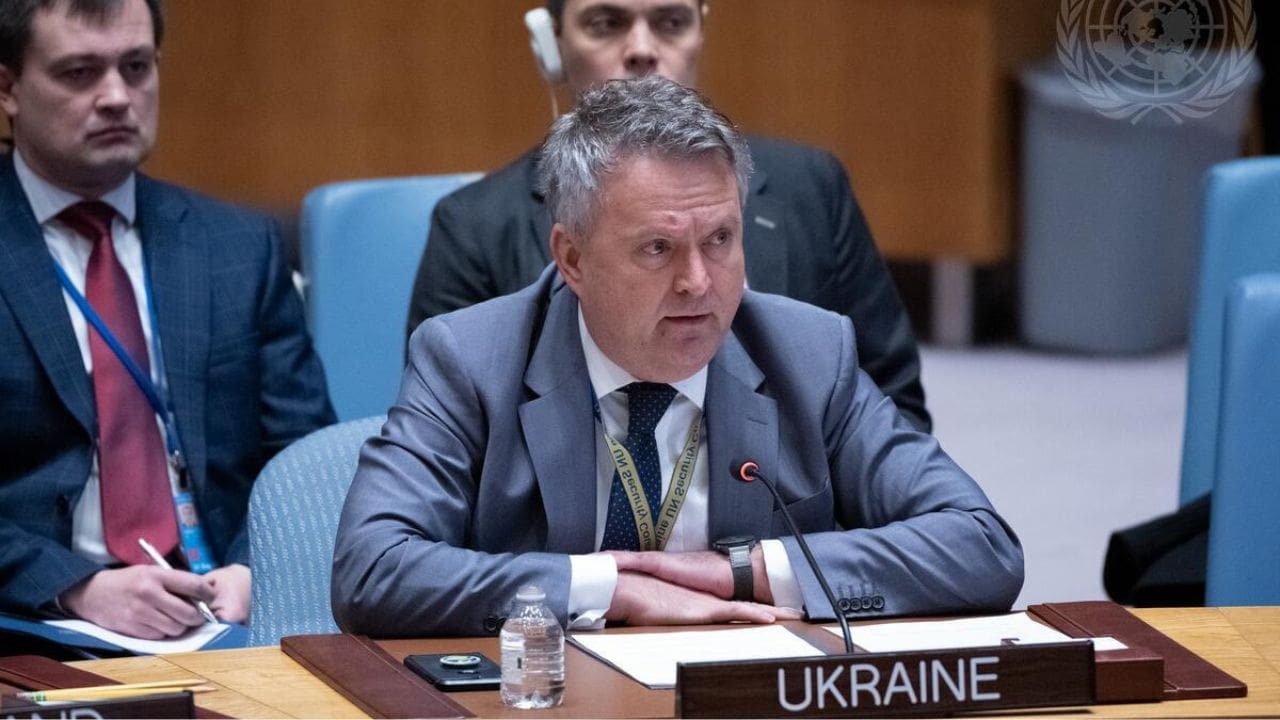
Replacing a Disastrous War with a Just Peace in Ukraine
Grinding on for nearly two years, Russia’s massive military invasion of that country has taken hundreds of thousands of lives, created millions of refugees, wrecked Ukraine’s civilian infrastructure and economy, and consumed enormous financial resources from nations around the world.
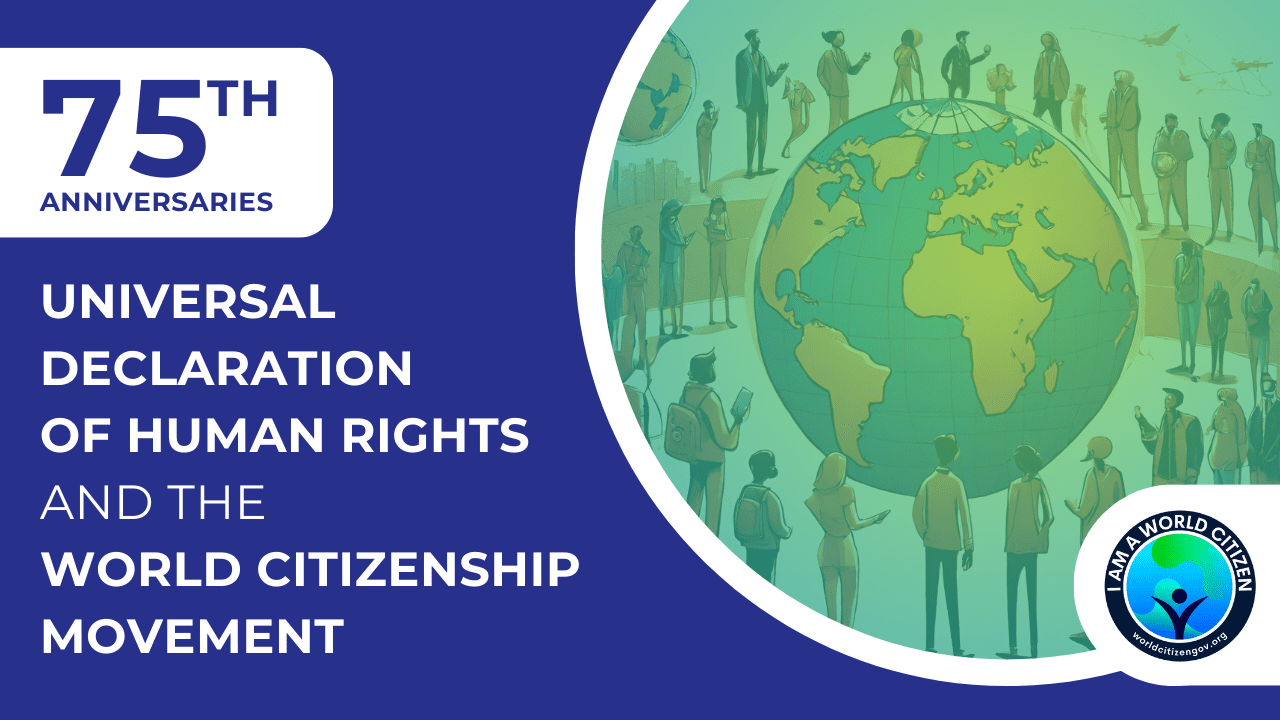
Time to Unite and Prosper: 75th Anniversaries of the Universal Declaration of Human Rights and the World Citizenship Movement
This year marks the 75th anniversary of the Universal Declaration of Human Rights (UDHR) and the World Citizenship Movement (WCM).
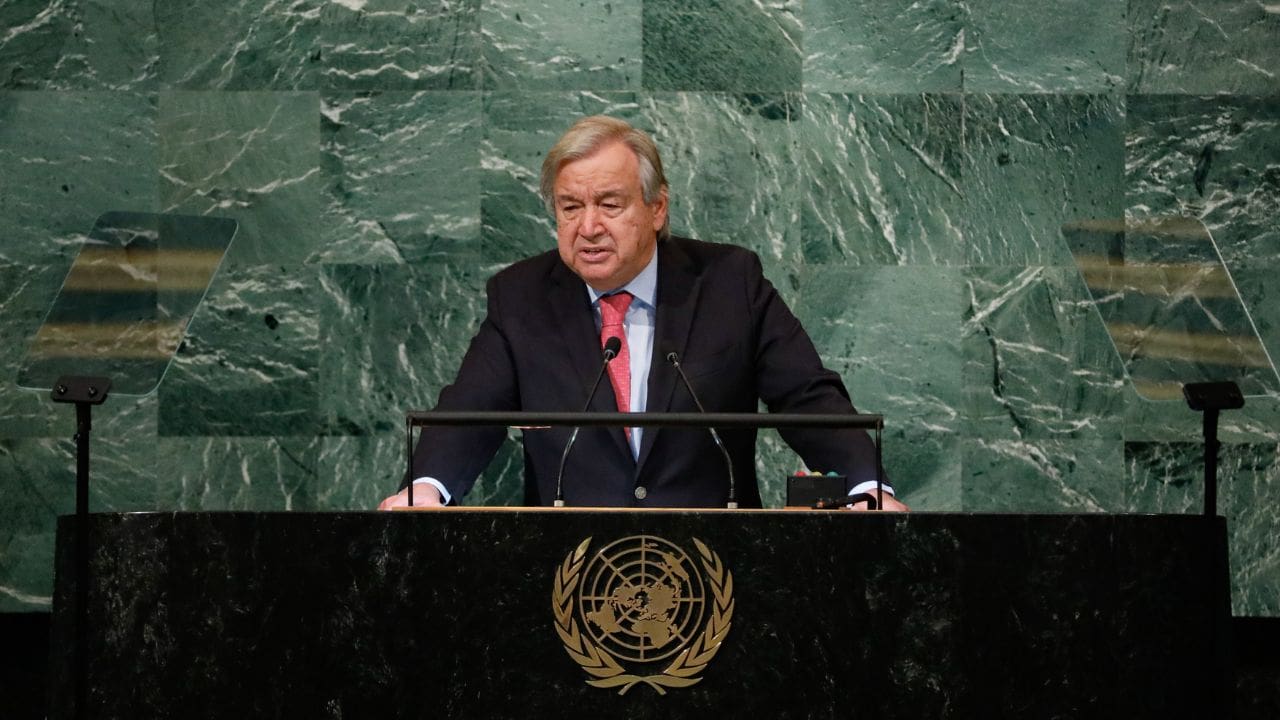
UN Reform: Three Paths Forward
The pillars upon which the international order was built seem to be rapidly deteriorating—from territorial integrity to the laws of war to the breaking of promises—and we find ourselves asking: what is to be done?
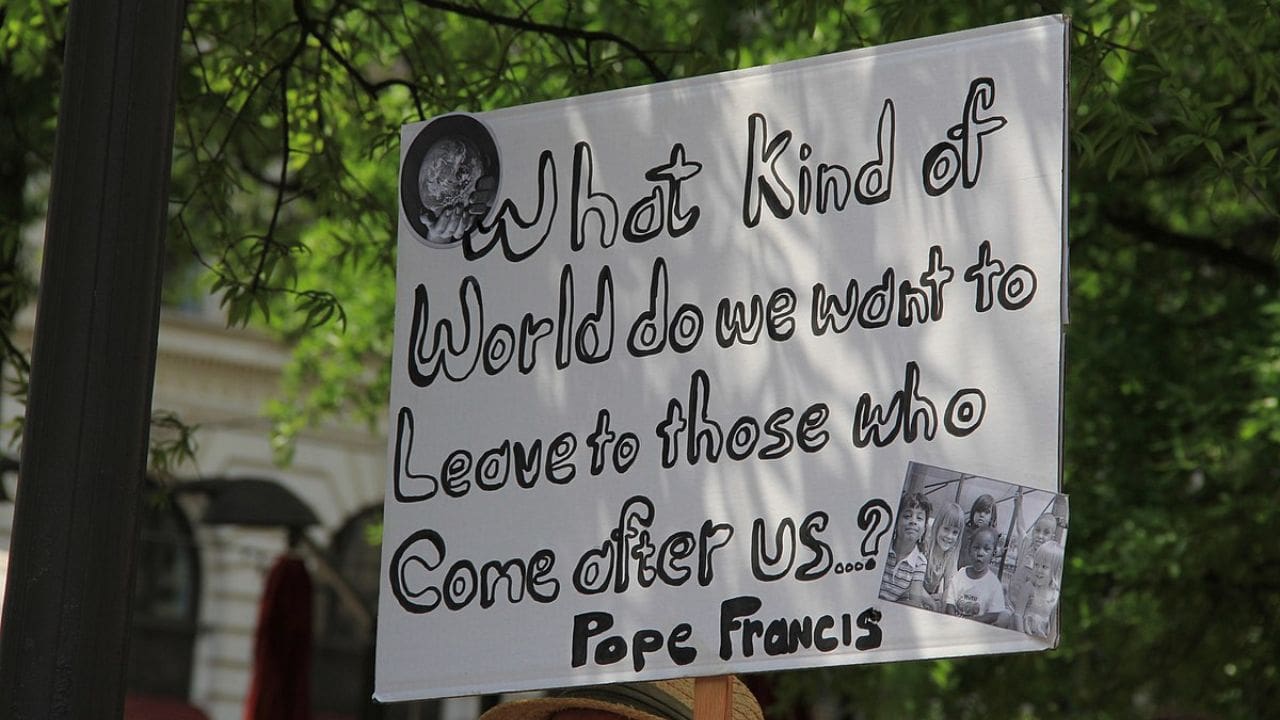
Pope Francis’ “Laudate Deum” (2023)
According to Pope Francis, “it is no longer possible to doubt the human–‘anthropic’–origin of climate change.” (#11) He says that it is a fact that the average global temperature has risen dramatically with the increase use of fossil fuels.

Time to Abandon International Anarchy
n December 1934, Arthur Henderson, a leader of the British Labour Party, declared in his speech accepting the Nobel Peace Prize that the immense human suffering caused by World War I “led to the very clear realization that international anarchy must be abandoned if civilization was to survive.”
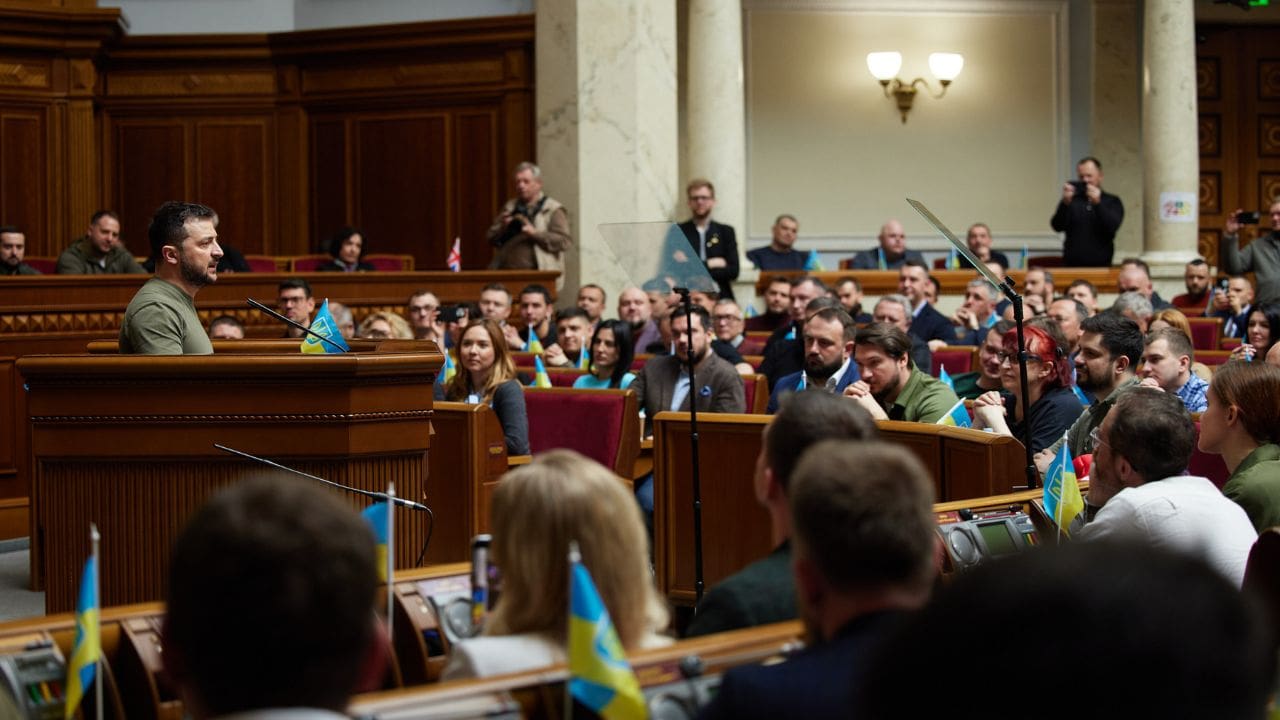
World Peace and Security Require a Stronger United Nations
This call for strengthening international security under the aegis of the United Nations makes sense not only for Ukraine―a country suffering from brutal military invasion, occupation, and annexation by its much larger, more powerful neighbor, the Russian Federation―but for the nations of the world.
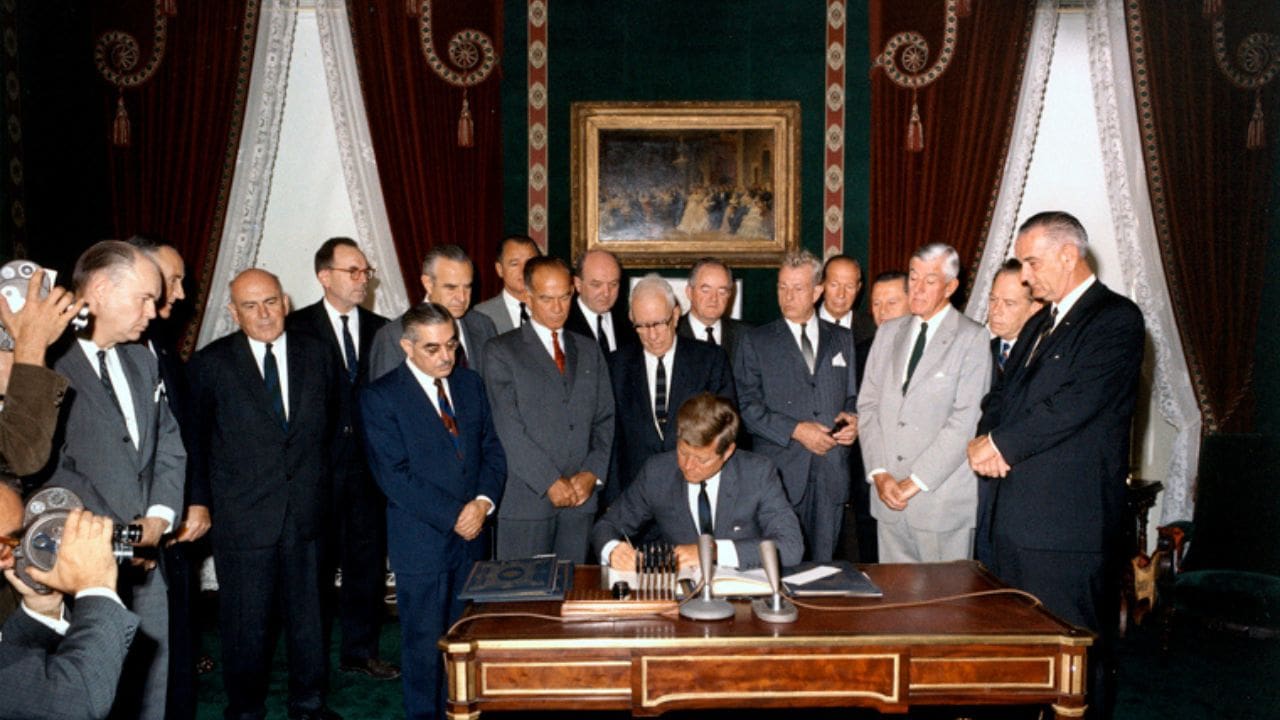
From the Partial Test Ban Treaty to a Nuclear Weapons-Free World
This September is the sixtieth anniversary of U.S. and Soviet ratification of the world’s first significant nuclear arms control agreement, the Partial Test Ban Treaty. Thus, it’s an appropriate time to examine that treaty, as well as to consider what might be done to end the danger of nuclear annihilation.
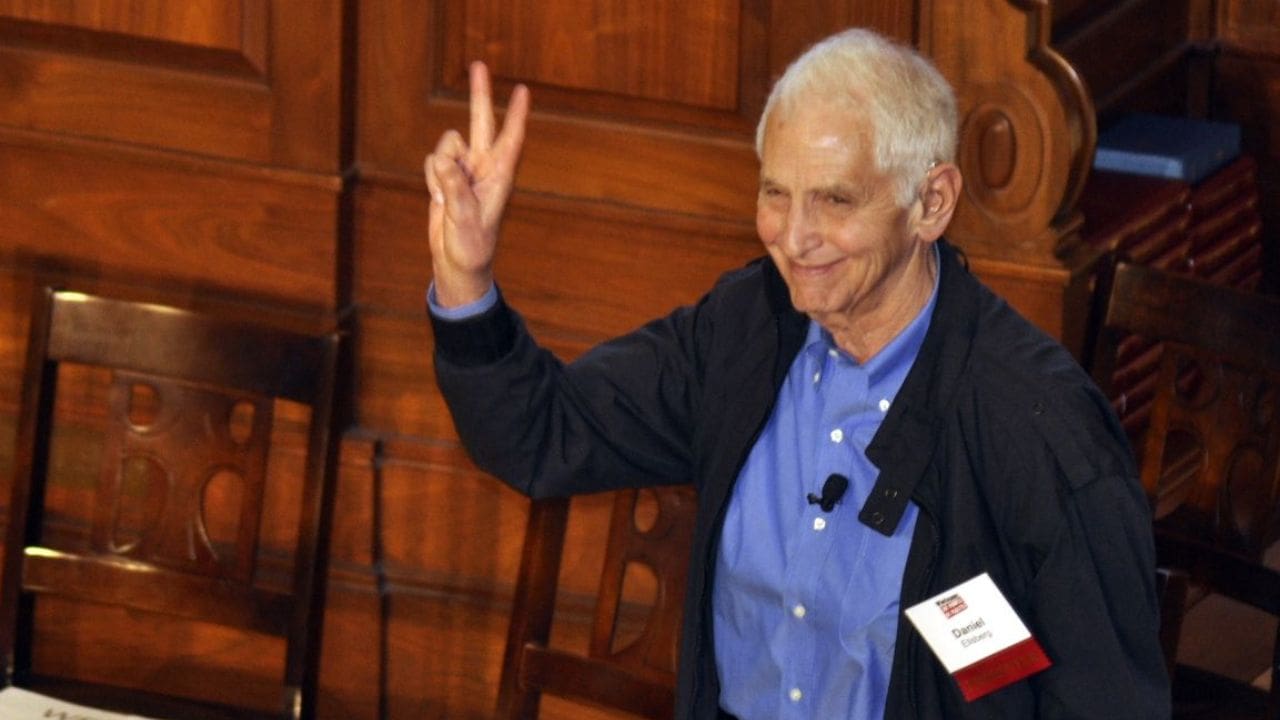
Daniel Ellsberg Remembrance (1931-2023)
One of the most wonderful qualities about Daniel Ellsberg, (1931-2023), is that unlike too many of us he got better and better as he grew older.
The Parliaments of the World’s Religions
The first time that many religious representatives met with each other was at the World Parliament of Religions in Chicago in 1893. Three of the goals of this gathering were to show “what and how many important truths the various Religions hold and teach in common;” to discover “what light Religion has to throw on the great problems of the present age;” and “to bring the nations of the earth into a more friendly fellowship, in the hope of securing permanent international peace.”

Hope Gives Rise to Hope: Proposal for a New Posture
We all aim to build a better world. Through positive, constructive language and examples, we encourage progress by inspiring each other and learning what is working. This, in itself, accelerates bringing that hopeful world into being.
J. Robert Oppenheimer’s Tragedy―and Ours
The July 21, 2023 theatrical release of the film Oppenheimer, focused on the life of a prominent American nuclear physicist, should help to remind us of how badly the development of modern weapons has played out for individuals and for all of humanity.
Two Ways That the Ukraine War Could Have Been Prevented and Might Still Be Ended
Perhaps the greatest tragedy of the immensely destructive Ukraine War lies in the fact that it could have been averted.
How Strengthened Global Governance Could Produce a Nuclear-Free World
It should come as no surprise that the world is currently facing an existential nuclear danger. In fact, it has been caught up in that danger since 1945, when atomic bombs were used to annihilate the populations of Hiroshima and Nagasaki.

The Time Has Come To Build A Viable Global System Of Collective Security
One of the inescapable features of human existence is that lessons we fail to learn repeat themselves over and over, usually with increasing ferocity until the lesson is learned.

From Nationalist Isolation To Global Citizenship
For many years, a portion of the world public has sought to wall itself off from people abroad by hiding behind national borders.
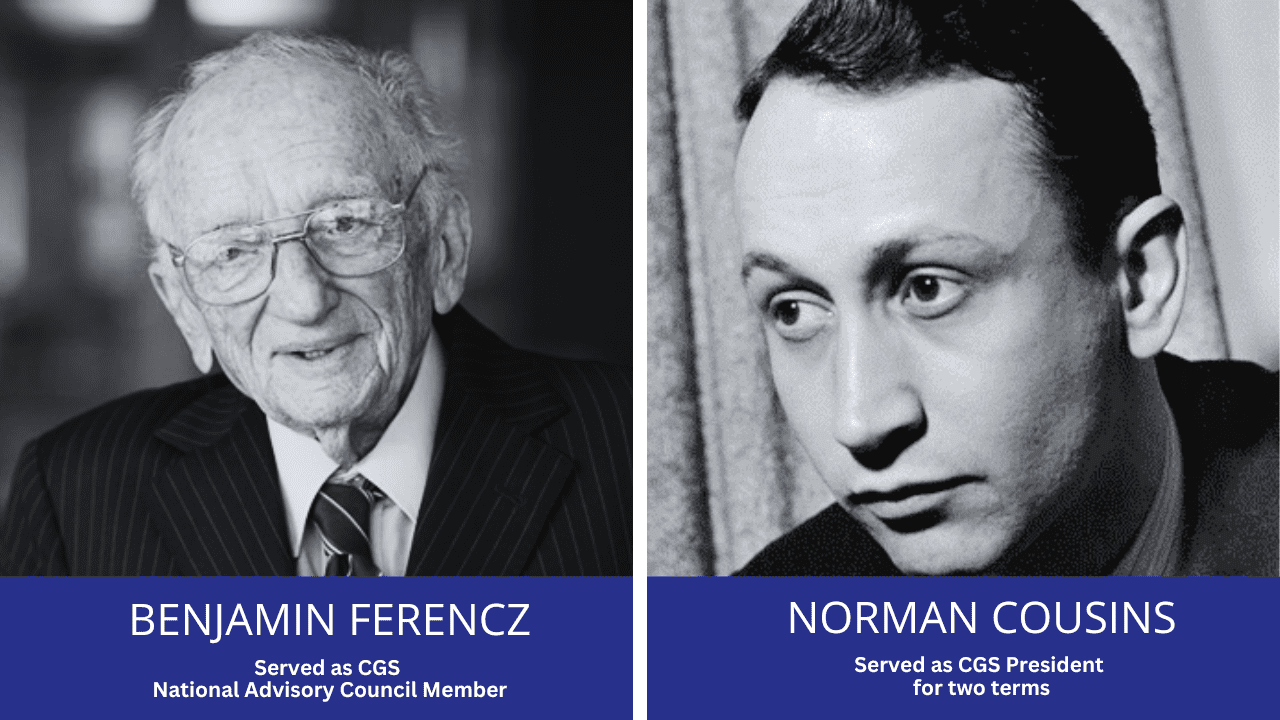
Benjamin Ferencz & Norman Cousins: The Original Influencers For Global Justice
The little known story of how American public outrage capitulated German lawmakers to compensate Polish survivors of Ravensbrück.
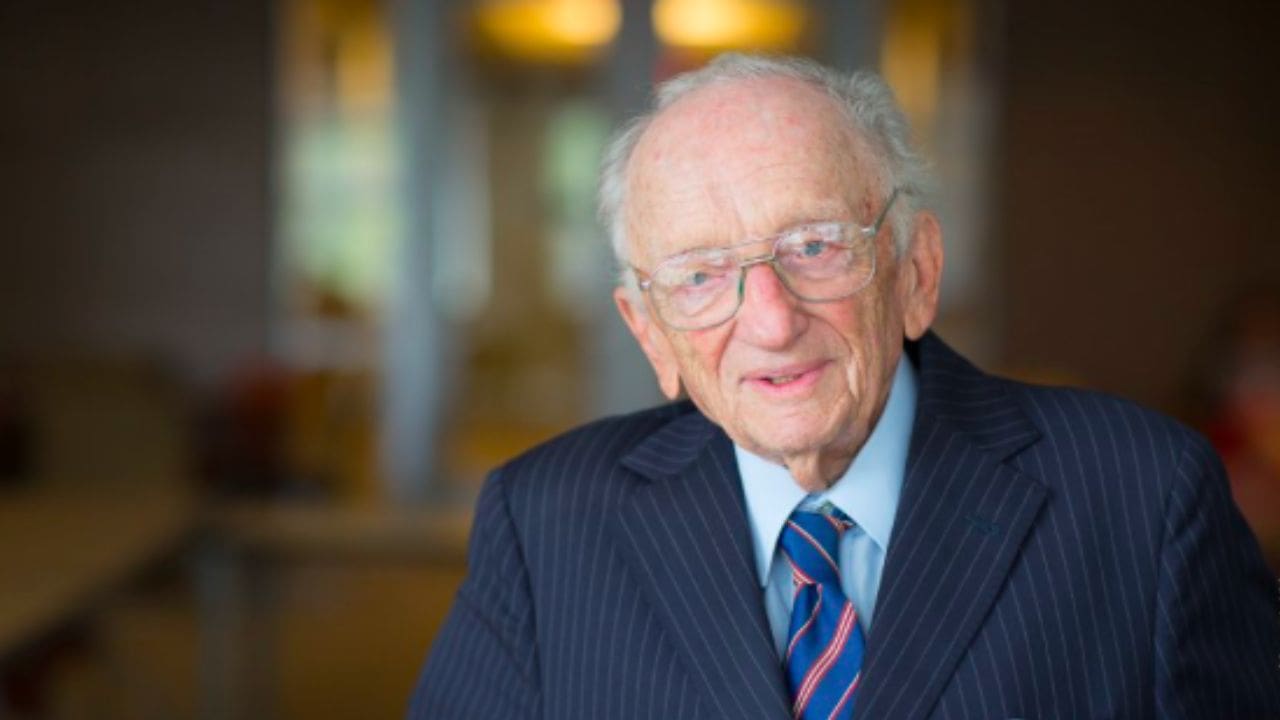
Prosecuting Evil: The Extraordinary World of Ben Ferencz
Benjamin Ferencz died on April 7, 2023 at the age of 103. He lived a very rewarding and meaningful life. I had the privilege of meeting him several times, most recently when he received a lifetime achievement award from the Law School at Washington University in St. Louis.
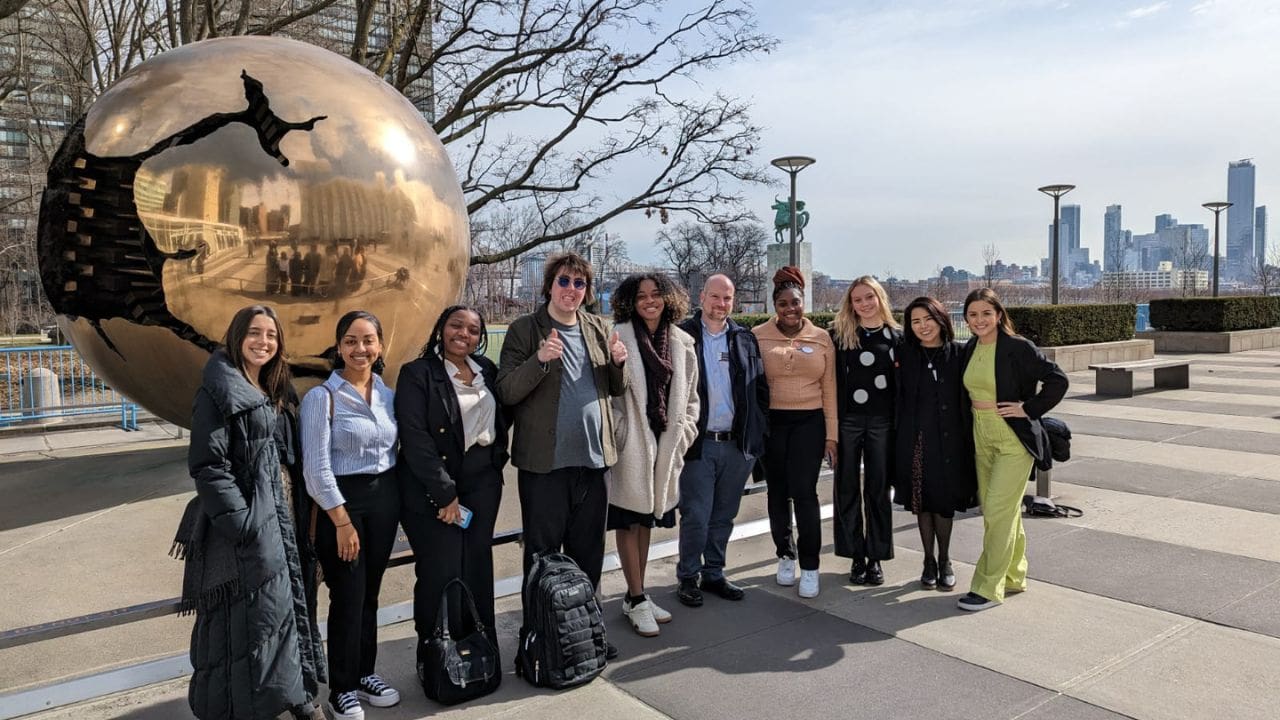
If Youth Is The Future, Why Don’t We Have A Say About It?
Last September, I came to the United States to study for a year at Northeastern University (Boston) and, I was given an opportunity to be sponsored by Citizens for Global Solutions to not just to be part of the first Global Future Forum but to present my research paper.

Domestic Violence And Women’s Empowerment Initiatives: Exploring The Relationship In A Patriarchal Setting
Domestic violence is the most common form of violence against women and is reported globally to be experienced by one out of every three women.
Looking for older global governance blog posts?
We hope you enjoy our new website! Previous archived global governance blogs will be available summer 2023.
Disclaimer:
The views expressed in this blog post do not necessarily reflect the official policy of Citizens for Global Solutions.
Interested in contributing to our blog?
Please send us a message using this contact form and we’ll get back to you.