Mondial (Summer 2026)
Letter From the Editorial Board
There is a temptation, in the UN’s eightieth year, to read its troubles as the decline of a single institution. We think that misses the deeper story. A divided world is not a new predicament. Problems have never respected borders: plague, war, financial panic, and empire were crossing them long before anyone drew the current map. When the American world federalist movement organized as the United World Federalists in 1947, two years into the UN’s life, it argued that the postwar settlement was already too weak for the forces it was built to govern. Eighty years on, that warning has only sharpened. Nuclear risk, climate collapse, mass displacement, and unaccountable capital move at a scale the UN was never designed to match, and no one has yet built what should follow it. That gap, between the scale of our problems and the reach of our institutions, is the subject of this issue.
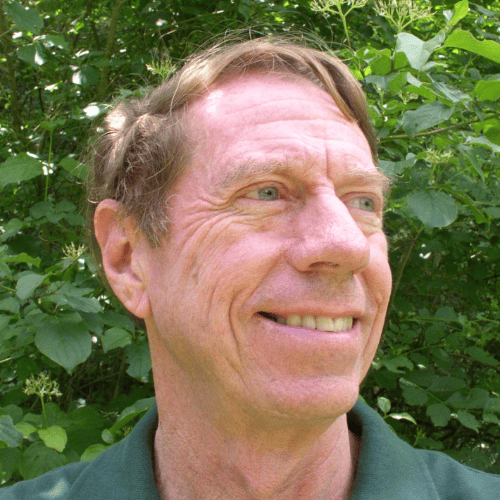
Start with the institution itself. David Woollcombe counts what the UN has quietly made possible over eight decades, the mail that crosses borders, the hundred thousand planes that share the sky each day without colliding, and asks what has to change for the UN to reach a hundred. Lawrence Wittner puts the same question in the shadow of the atomic bomb, tracing how ordinary people forced disarmament before, in 1958 and again in the 1980s, and argues they can again. Douglas Roche, a diplomat who spent decades working hon this, adds a spare refusal to accept the lies told on behalf of these weapons. Read together, they make the case that decline is a choice, not a diagnosis.
If there is a single villain in these pages, it is the veto. Five governments can stop the world from acting, and lately one has been enough to block the Security Council on Gaza and on Sudan. Jacopo DeMarinis shows how that power works and what rebalancing it would take. Bill Pearce turns the mirror back on the movement, arguing Canada cannot credibly seek to curb the veto while breaching its own treaty obligations. We put those two side by side on purpose.
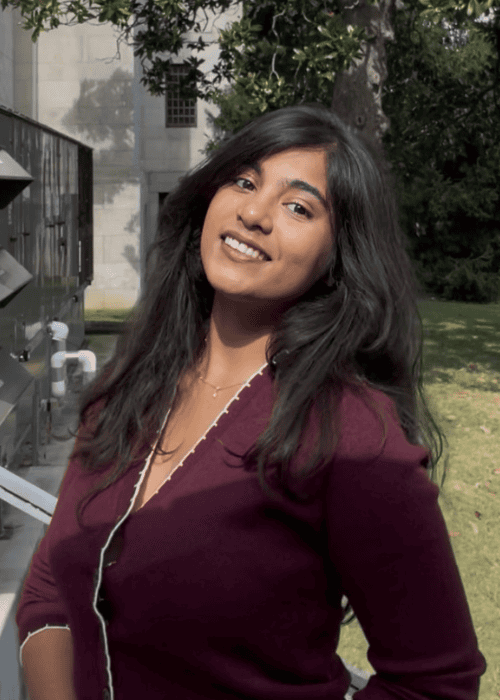
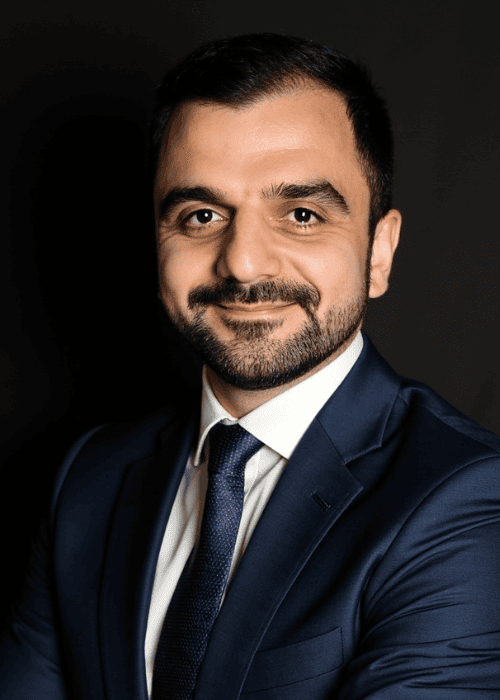
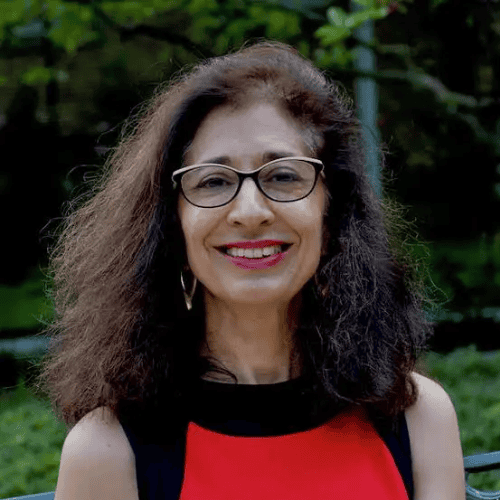
The rest of the issue is dedicated world federalists doing the harder work of proposing what comes next. Isabella Grace Smith, winner of the 2025 CGS New Voices 4 Global Solutions essay contest, proposes citizens ratify treaties directly. Eoin Jackson coordinates the scattered response to climate, pollution, and biodiversity loss. Mario Schejtman and Ahmad L. offer a federal route through the worn-out two-state debate. David Gallup argues world citizenship could end statelessness for the 120 million now displaced. Larry Kazdan shows how developing nations can use their own currencies to escape the austerity their lenders impose. Karen Hamilton and Joseph Preston Baratta close with reviews of books that assess the past and future of our global institutions.
The division is old, older than the UN, older than the borders we now take for granted. What runs through these pages is the harder, less familiar half: the solutions. Global solutions for a divided world are not a slogan here but a working assignment, and it is one world federalists have been at longer than almost anyone.
Welcome to MONDIAL.

Mondial is published by the Citizens for Global Solutions (CGS) and World Federalist Movement — Canada (WFM-Canada), non-profit, non-partisan, and non-governmental Member Organizations of the World Federalist Movement-Institute for Government Policy (WFM-IGP). Mondial seeks to provide a forum for diverse voices and opinions on topics related to democratic world federation. The views expressed by contributing authors herein do not necessarily reflect the organizational positions of CGS or WFM-Canada, or those of the Masthead membership.