Originally published on the CGS blog on November 20, 2013.
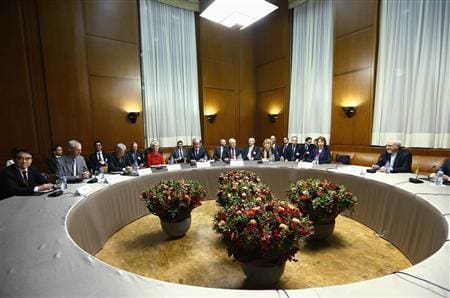
The talks about Iran’s nuclear program started up again today in Geneva. Britain and Russia seem optimistic that a deal that will work for all parties will be reached, but the United State and France remain skeptical about whether Iran truly wants nuclear energy or actually desires nuclear weapons. Israeli Prime Minister Netanyahu has been insisting that Iran is not to be trusted, the negotiating table should be abandoned, and sanction should be increased.
Ayatollah Khamenei told hardliners in Tehran that Iran will not give up its right to peaceful applications of nuclear energy. He claimed that Iran wants peaceful relations with all countries but heavily criticized Netanyahu, France and the U.S. for being overly cautious and unwilling to believe the Iranian government. President Obama said it was not clear whether the negotiation will bear any results at this point in time. U.S. lawmakers have been urging the administration to take a tougher line with Iran, agreeing with Netanyahu that Iran is seeking nuclear weapons and presents a threat to the region.
A UN report states that, since President Rouhani took office this year, Iran has stopped uranium enrichment and has not added any more components to the Arak reactor. This may indicate that Iran genuinely wants to come to an agreement to end sanctions, but keep a nuclear energy program in place.
This is a very delicate period of time for all involved in the negotiations and great care must be taken to avoid letting extremists and spoilers ruin chances to resolve the question of Iran’s nuclear program peacefully. A peaceful, constructive agreement would be the best possible outcome for addressing Iran’s nuclear ambitions. No one really wants war – an end to sanctions would boost Iran’s economy and an increase in oil exports will aid the regional and global economy as well. An Iran that is more open to the world is preferable to one that is ostracized and isolated.