by Citizens for Global Solutions | Jun 10, 2023 | Past Event
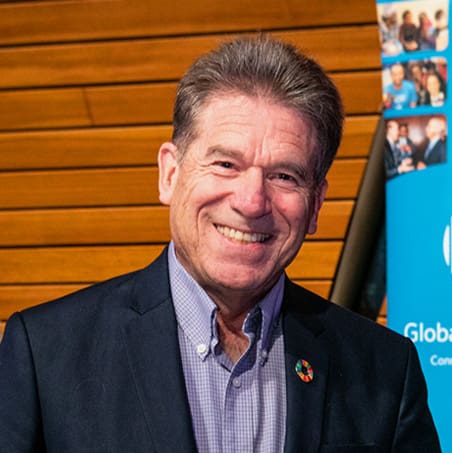
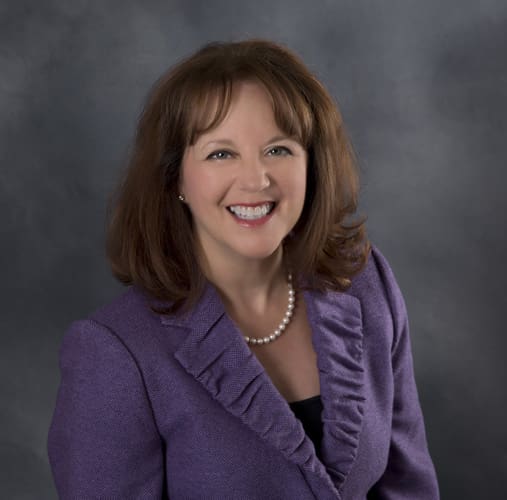
Session 5 of the book, Global Governance and the Emergence of Global Institutions for the 21st Century (2020) with all three authors, Augusto Lopez-Claros, Arthur Dahl, and Maja Groff. This session’s final discussion will include additional insights on the topics of corruption, education, values and principles to operationalize global good governance, immediate steps forward, and conclusions.
by Citizens for Global Solutions | May 13, 2023 | Past Event
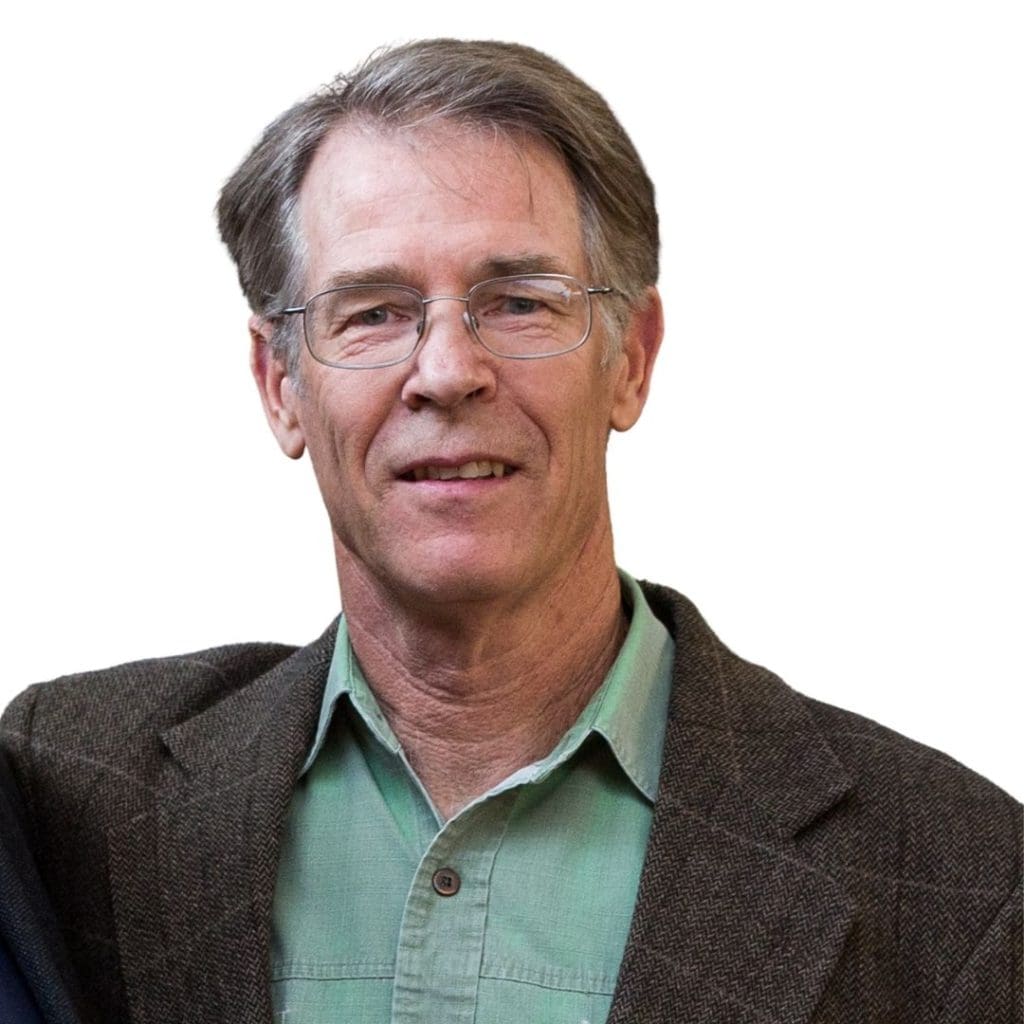
Session 4 of the book, Global Governance and the Emergence of Global Institutions for the 21st Century (2020) with authors, Augusto Lopez-Claros and Arthur Dahl. This session’s discussion focuses on UN specialized agencies to address global risks, inequality and the private sector, financial architecture and the IMF, responding to global environmental crises, and population and migration.
by Citizens for Global Solutions | Apr 22, 2023 | Past Event
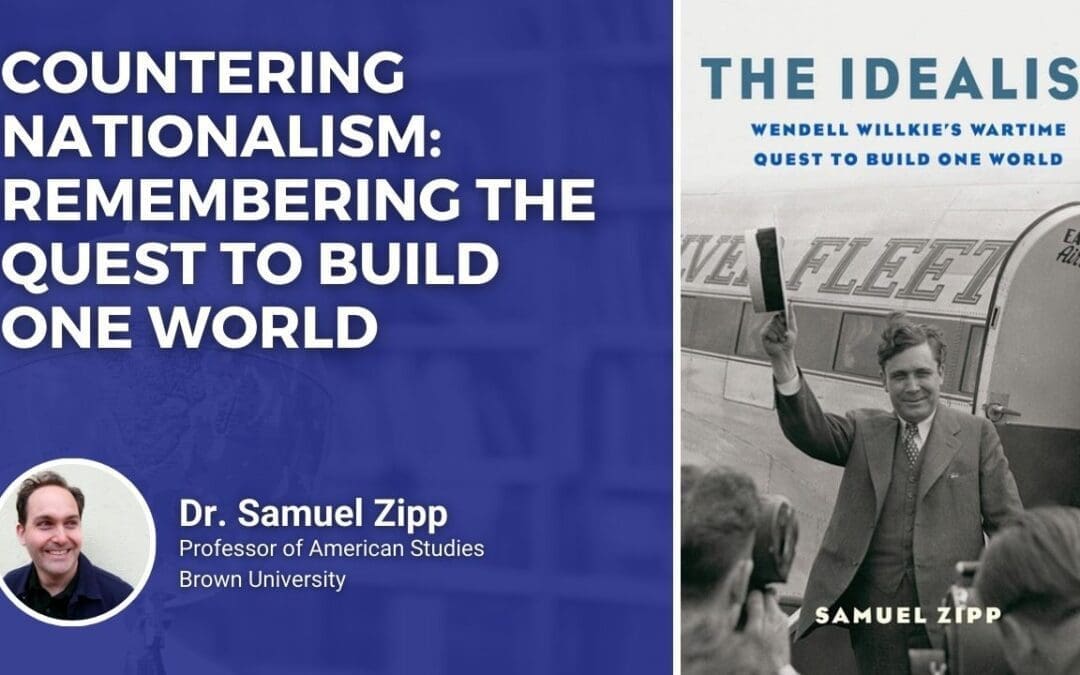
CGS’s first Global Conversations online event, Saturday, April 22 from 12-1:30 EST with Samuel Zipp to discuss his book, The Idealist: Wendell Willkie’s Wartime Quest to Build One World (you can purchase at the Harvard book store. In August 1942, as the threat of #fascism swept the world, a charismatic former Republican presidential contender, Wendell Willkie, took an unprecedented airplane journey around the world to visit battlefronts in Africa, the Middle East, Russia, and China. In One World, the runaway bestseller he published on his return, Willkie challenged Americans to resist the “America first” doctrine and warned of the dangers of “narrow nationalism”. He urged citizens to end colonialism and embrace, “equality of opportunity for every race and every nation”. Zipp argues that Willkie’s “warnings about the perils of racially charged ‘narrow nationalism’ have never been more indispensable. As the United States reaches the end of its long turn as a great global power, the quandaries of American exceptionalism he faced remain ours today, and his example may yet offer us undiscovered resources for living in a ‘one world’ he heralded more than three-quarters of a century ago.” “The term Willkie helped to put into common circulation -’one world’ –would become shorthand for the disruptive charge of worldly connection set off by the war. Over the years Willkie’s name would fade away but ‘one world’ would be adopted by world government advocates, anti-imperialists, environmentalists, and even corporate marketers to signify the promise of times in which global shrinkage offered new contracts and new ideas to offset the dangers of war, xenophobia and racism.” Samuel Zipp is a cultural and urban historian at Brown University. He has written for the New York Times, the Washington Post, n+1, The Baffler, and The Nation and is the author of Manhattan Projects: The Rise and Fall of Urban Renewal Cold War New York. He also coedited a collection of the writings of Jane Jacobs.
by Citizens for Global Solutions | Apr 8, 2023 | Past Event
Session 3 of the book, Global Governance and the Emergence of Global Institutions for the 21st Century, with all three authors, Augusto Lopez-Claros, Arthur Dahl, and Maja Groff. Our focus will be on the second half of Part 2 discussing reforming the central institutions of the UN. Those chapters present ideas regarding disarmament, international law, human rights, and UN funding.
by Citizens for Global Solutions | Mar 11, 2023 | Past Event
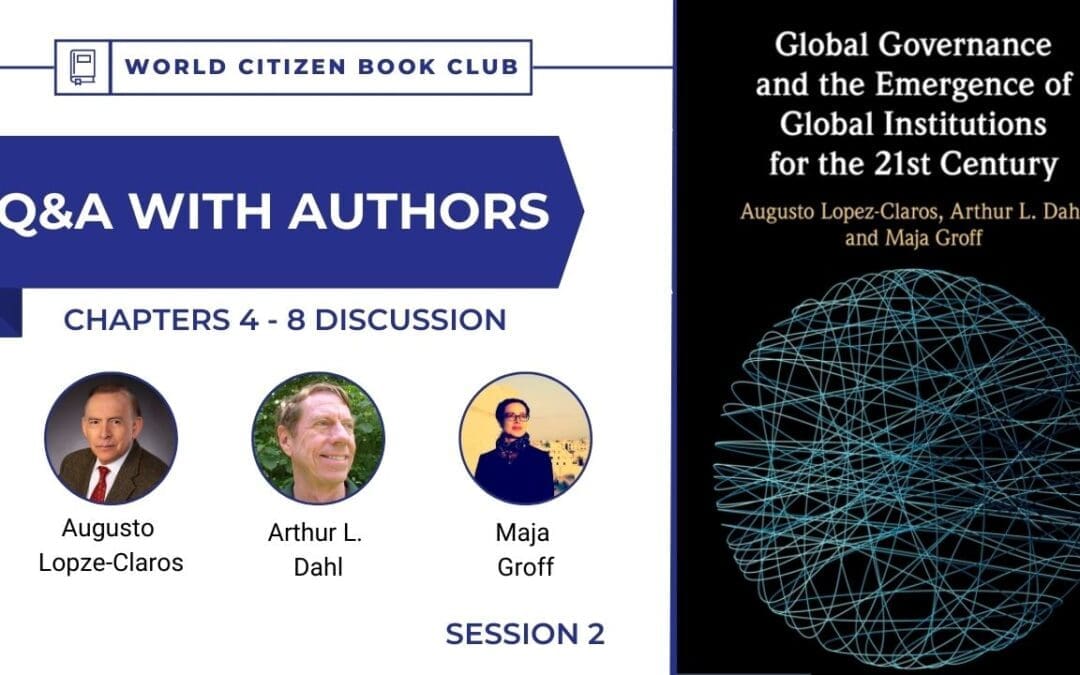
Our second session with all three authors, Augusto Lopez-Claros, Arthur Dahl, and Maja Groff, focuses on Part 2: Reforming the Central Institutions of the UN (Chapters 4-8, pages 81-180). They discuss the authors’ proposals to reform the General Assembly and to establish a World Parliamentary Assembly, Advisory Mechanisms, a UN Executive Council, and an International Peace Force.
by Citizens for Global Solutions | Feb 11, 2023 | Past Event
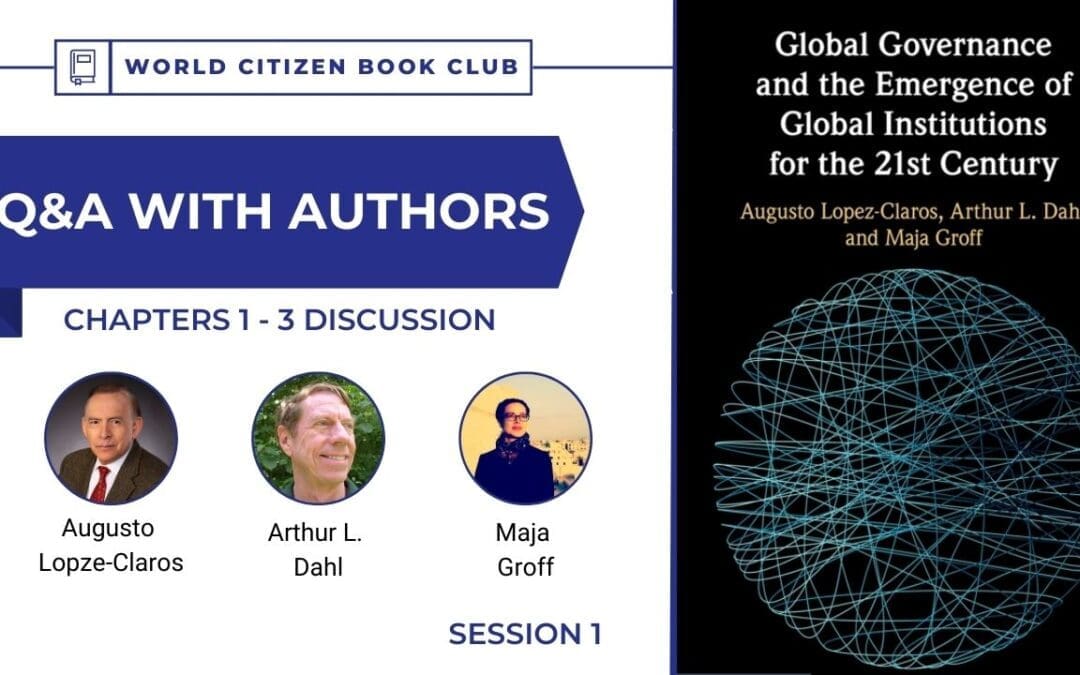
Our opening session discussing the book, Global Governance and the Emergence of Global Institutions for the 21st Century with the authors, Augusto Lopez-Claros, Arthur Dahl, and Maja Groff focuses on Part 1: Background, a history of global governance, and European Integration.